Peanut sniffing dogs help people with peanut allergies. Yes it is true.
What is a "peanut sniffing dog"? How does a dog help someone with a peanut allergy?
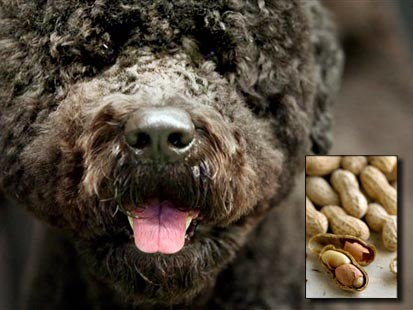
Specially trained dogs are now being used to detect trace amounts of peanuts and other life-threatening allergens.
Sherry Mers whose daughter has a severe peanut allergy started a non-profit foundation, Angel Service Dogs Inc, as a ministry so children with
"hidden disabilities" such as severe allergies and seizures can afford specially trained dogs or animals to help them. These dogs are expensive.
 According to their Website, "Angel Service Dogs, Inc., a 501-C-3, is devoted to placing Allergy Alert Dogs, specially trained
for peanut, tree nut, and allergen detection, with individuals and families who are inhibited by life-threatening allergies."
Training a peanut allergy dog to detect peanuts is similar to the training a drug sniffing dog receives.
In reviewing their website- here is what I found out.
Allergy Alert Service Dogs are trained to detect a specific set of allergens and to alert their handler of the presence of those allergens.
Angel Service Dogs states that their dogs can protect against contact or ingestion of these life-threatening allergens.
I find that truly amazing! As a fairly experienced cook I don't think I could detect exactly what type of oil was used to fry chicken. Seriously!
The dog sniffs down everything and everyone that his owner may come into contact with letting he and his Mom know where it's safe to go or alerting them when peanut traces have been found.
Watch this video.
Watch CBS News Videos Online
Last but not least take a look at the video below for an MSNBC story on Peanut sniffing dogs.
Thanks to these specially trained dogs (trained by Angel Service Dogs and other breeders)
Angel Service Dog's company slogan sums it up- "life is better with someone watching over you".
I hope this story is helpful to you. Please share this story on Facebook or directly with friends you know who have the hidden disability of an Anaphylactic peanut or food allergy.
What is a "peanut sniffing dog"? How does a dog help someone with a peanut allergy?
Specially trained dogs are now being used to detect trace amounts of peanuts and other life-threatening allergens.
Sherry Mers whose daughter has a severe peanut allergy started a non-profit foundation, Angel Service Dogs Inc, as a ministry so children with
"hidden disabilities" such as severe allergies and seizures can afford specially trained dogs or animals to help them. These dogs are expensive.
for peanut, tree nut, and allergen detection, with individuals and families who are inhibited by life-threatening allergies."
Training a peanut allergy dog to detect peanuts is similar to the training a drug sniffing dog receives.
In reviewing their website- here is what I found out.
Allergy Alert Service Dogs are trained to detect a specific set of allergens and to alert their handler of the presence of those allergens.
Angel Service Dogs states that their dogs can protect against contact or ingestion of these life-threatening allergens.
Their dogs are trained by Master Scent trainers. These trainers have decades of experience working with scent dogs and working specifically with Allergy Alert dogs.
Dogs are carefully selected for the Allergy Alert dog program.I found it interesting to learn which breed of dogs are used in the program. They include Australian Labradoodles, Portuguese Water Dogs and other allergy friendly breeds.
Click here to visit their website. For information on another breeder of Peanut Detector Dogs click Peanut DogsWhat a wonderful idea!
In my research I also found a story about a black Labrador Retriever trained to sniff out the most miniscule traces of peanut -- she can even tell whether a chicken nugget has been fried in peanut oil.I find that truly amazing! As a fairly experienced cook I don't think I could detect exactly what type of oil was used to fry chicken. Seriously!
The dog sniffs down everything and everyone that his owner may come into contact with letting he and his Mom know where it's safe to go or alerting them when peanut traces have been found.
Watch this video.
Watch CBS News Videos Online
Last but not least take a look at the video below for an MSNBC story on Peanut sniffing dogs.
Thanks to these specially trained dogs (trained by Angel Service Dogs and other breeders)
and their unique ability to detect traces of food allergens such as peanuts and tree nuts, the allergic children and adults they service can be safe to live a more normal life.
Angel Service Dog's company slogan sums it up- "life is better with someone watching over you".
Of course in this case that "someone" is a specially trained 4-legged friend.
I hope this story is helpful to you. Please share this story on Facebook or directly with friends you know who have the hidden disability of an Anaphylactic peanut or food allergy.


